BestSends
You already know most of these email marketing tips. Knowing them hasn’t changed what you send, and that gap quietly wastes the one channel you actually own. The channel still pays: as of October 2026, Litmus’s email marketing ROI guide puts the average return at $36 for every $1 spent. But your subscribers get dozens of emails a day, and an average return does nothing for you if yours is the one that gets skipped.
The senders who win at email are the most disciplined ones, whatever software they happen to use. These five habits are that discipline. Get them right and you’ll see it in clicks and revenue. Skip them and no tool will save you.
1. Write Subject Lines That Earn the Open
The best email you ever write is worthless if nobody opens it, and the subject line decides that in about the time it takes to scroll past. The full playbook is in email subject lines that get opens; here are the basics:
- Keep it concise: Front-load the important words so the line still makes sense when a phone cuts it off.
- Use real urgency: "Ending soon" or "today only" drives action, but only when it's true. Fake deadlines train people to ignore you.
- Ask questions: Only ask one your reader is already asking themselves. A question nobody wondered about reads as a gimmick.
- Use numbers: A specific count ("3 ways to get more replies from your list") tells the reader exactly what they're getting.
- A/B test: Your gut isn't a data set. Test subject line approaches against each other and let your own list pick the winner. Our free subject line tester is a quick first check.
Subject Line Examples That Work
- Works: "Last chance: Your 20% discount expires tonight"
- Works: "Why your best subscribers stopped clicking"
- Works: "3 ways to get more replies from your list"
- Skip: "April Newsletter" (too generic)
- Skip: "BUY NOW!!! HUGE SALE!!!" (too aggressive)
2. Segment Your Email List for Targeted Messaging
Email segmentation means splitting your list into groups and sending each one the message that fits it. This is the tip I’d do first, because blasting the same offer to everyone teaches half your list that your emails aren’t for them. Four lenses work, but they aren’t equal. If you have behavioral data, start there, because a click from last week says more about intent than a job title ever will.
Demographics
Age, location, gender, job title, industry
Behavioral Data
Past purchases, email engagement, website activity
Position in Sales Funnel
New subscriber, lead, customer, repeat buyer
Interests & Preferences
Content topics, product categories, communication frequency
You don’t need special software to segment. Most email marketing platforms, including Kit, Mailchimp and ActiveCampaign, have segmentation built in. Our email segmentation guide shows which three segments to build first.
This is the platform we recommend if you want a generous free tier with built-in segmentation →Try BrevoAffiliate (Disclosure: I’ve done a paid partnership with Brevo.)
This is the platform we recommend once you outgrow a free tier and need creator-grade tagging, sequences and commerce →Try KitAffiliate
3. Create Email Content That Delivers Value
Earning the open is half the job. The content decides whether they open the next one. Here’s how to write the kind they come back for:
- Lead with the outcome: Tell readers what changes for them, then mention the feature that makes it happen.
- Write to one person: If it reads like a broadcast, it’ll get treated like one.
- Keep it scannable: Short paragraphs and clear subheads let a skimmer find the point before they decide to read.
- Include one clear CTA: Every email should have a single, obvious action you want the reader to take.
- Balance text and images: Never send an email that’s one big image. Real text keeps your message readable when images are blocked and gives filters something to read.
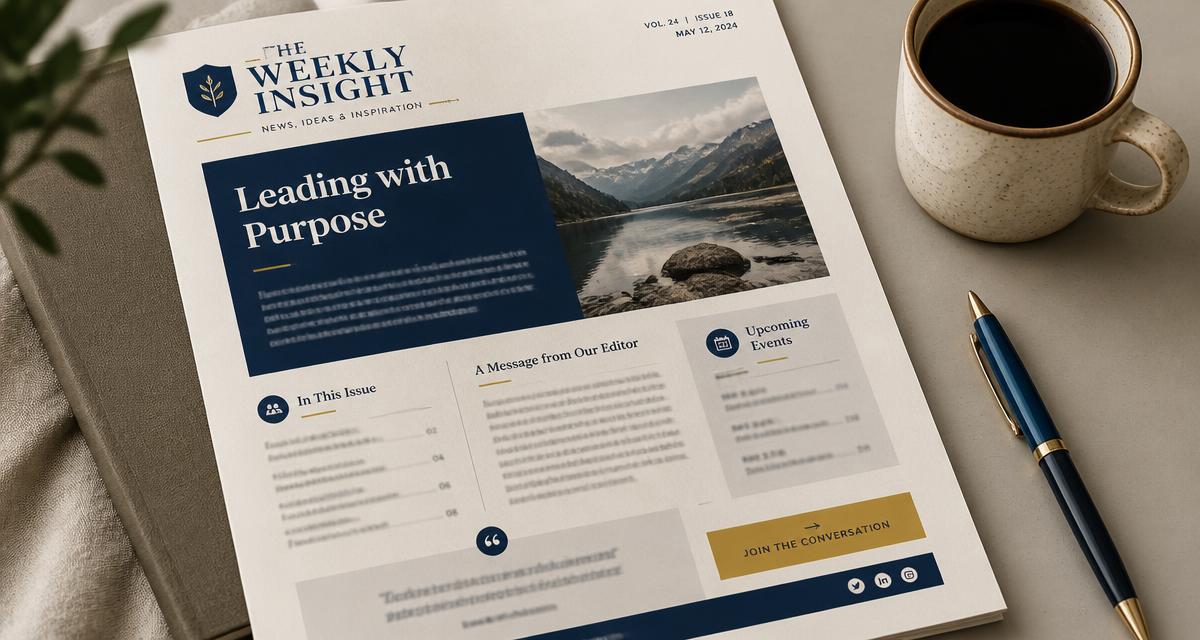
Example of a well-structured marketing email with clear hierarchy and CTA
4. Automate the Emails That Should Never Wait
Some emails lose value every hour they sit in your drafts: the welcome, the cart reminder, the thank-you after a purchase. Automation sends them the moment they matter, whether you’re at your desk or not. These are the four sequences I’d build, in this order:
| Sequence Type | Purpose | Key Components |
|---|---|---|
| Welcome Sequence | Introduce new subscribers to your brand |
|
| Abandoned Cart | Recover potential lost sales |
|
| Re-engagement | Win back inactive subscribers |
|
| Post-Purchase | Build loyalty and encourage reviews |
|
Most platforms have a visual workflow builder, so the software won’t be what stops you. Build the welcome sequence this week and add the others as you grow. Our best email automation software page compares the builders, and welcome emails that convert has templates to start from.
5. Track and Optimize with Email Analytics
A dashboard you look at and never act on is decoration. Each metric below answers one question, and every answer should change what you send next:
Open Rate
Did the subject line and sender name work? Inflated by Apple Mail.
Click-Through Rate
Did the content earn action?
Conversion Rate
Did the offer and landing page close?
Unsubscribe Rate
Are you sending too often, or to the wrong people?
Compare each number against your own past sends first; our email marketing benchmarks post has sourced figures by industry. Then test one element at a time (subject lines, send times, CTAs) so you know what actually moved the result. If opens fall across the board, suspect inbox placement before you rewrite a word of copy, and start with the email deliverability guide and a list cleaning pass.
Which email marketing tip should you start with?
Start with segmentation, because it makes every other tip work harder. Then build the welcome sequence, because it works while you don’t. Measure what changes, then add the next habit. If you’re still choosing a platform, see our best email marketing software rankings.
The people on your list chose you once. Every send either earns that choice again or reminds them they can take it back with one click.
Frequently asked questions
Send to people who want your email. Segmenting out subscribers who have stopped engaging protects your sender reputation, which decides whether your subject line, copy and offer ever reach the inbox. Every other tip on this list works better once your list is clean and engaged.
As often as you can send something worth opening, on a schedule subscribers can predict. Weekly is a common starting point for newsletters. Watch unsubscribes and spam complaints after each send; if they climb when you add frequency, you’ve found your ceiling.
The welcome sequence. It reaches subscribers at the moment they’re most interested, and it runs on its own once it’s built. Deliver what you promised at signup in the first email, then use the next few to build trust before you pitch.
Less than they used to be. Apple Mail Privacy Protection loads images automatically, so many Apple Mail users register as opens whether they read the email or not. Treat opens as a directional signal and judge campaigns on clicks, replies and revenue.
No. Free plans from platforms like Brevo and Kit cover subject line work, basic segmentation and value-first content. (Disclosure: I’ve done a paid partnership with Brevo.) Check automation limits before you build a sequence: as of October 2026, Kit’s free plan doesn’t include automations or email sequences, per its pricing page.